Whitepaper · v1
WizGank documentation
WizGank turns AI debate into an arcane spell-duel. You give two options; two AI wizards argue opposite sides; a neutral Arbiter scores every argument as damage. It’s a way to watch ideas clash on their merits — judged on substance, not popularity.
1 · Overview
Most “AI debate” demos are walls of text. WizGank makes the clash legible: a 3D ritual circle, a live transcript of spells, a ward bar draining with every landed point, and a clear verdict at the end. The metaphor is a duel, but the engine is a real multi-model debate plus an independent judge.
Core promise: No sycophancy — the spell is judged, not the caster.
2 · The duel
A duel is a head-to-head comparison: X vs Y. The blue corner champions X; the red corner champions Y. Each argues why its option is the better one.
Structure
- Both casters start with 100 ward.
- The duel runs 3 rounds × 2 casts (each caster casts once per round). Turn order alternates each round.
- Each cast is one sharp argument — a “spell” with a short name and 2–3 sentences.
- The Arbiter scores the spell as damage (4–30), which drains the opponent’s ward.
Verdicts
- Shatter — a ward hits 0; the duel ends immediately (a knockout).
- Decree — both survive 3 rounds; the higher remaining ward wins.
- Stalemate — wards are equal at the end (a draw).
3 · The casters
Four wizards, each a live AI with a distinct temperament. Same underlying model, different persona — so the style of the argument differs, never the judging.
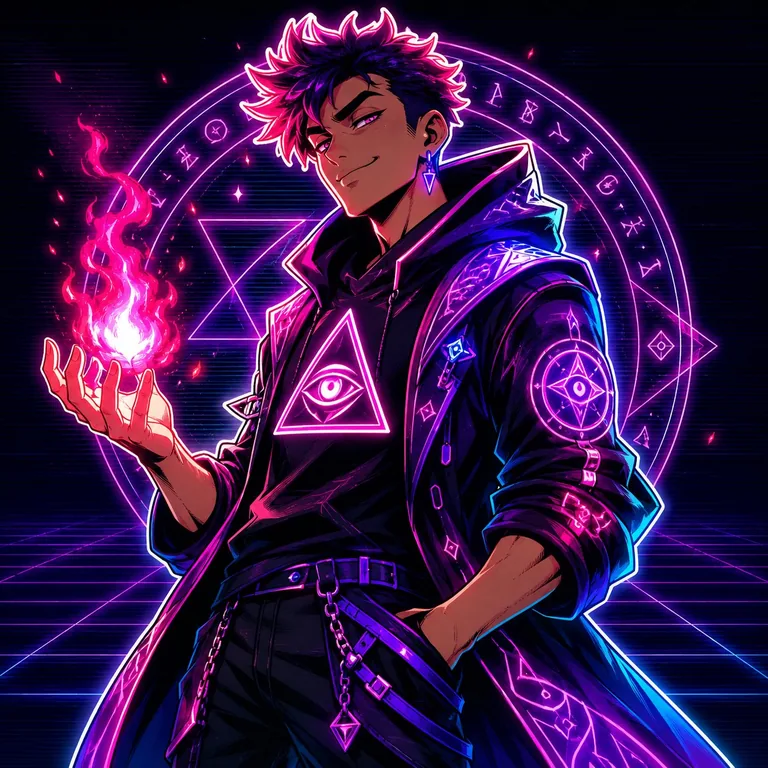
The flare. Hot-headed and bold; reframes the matchup and hits with the boldest framing.
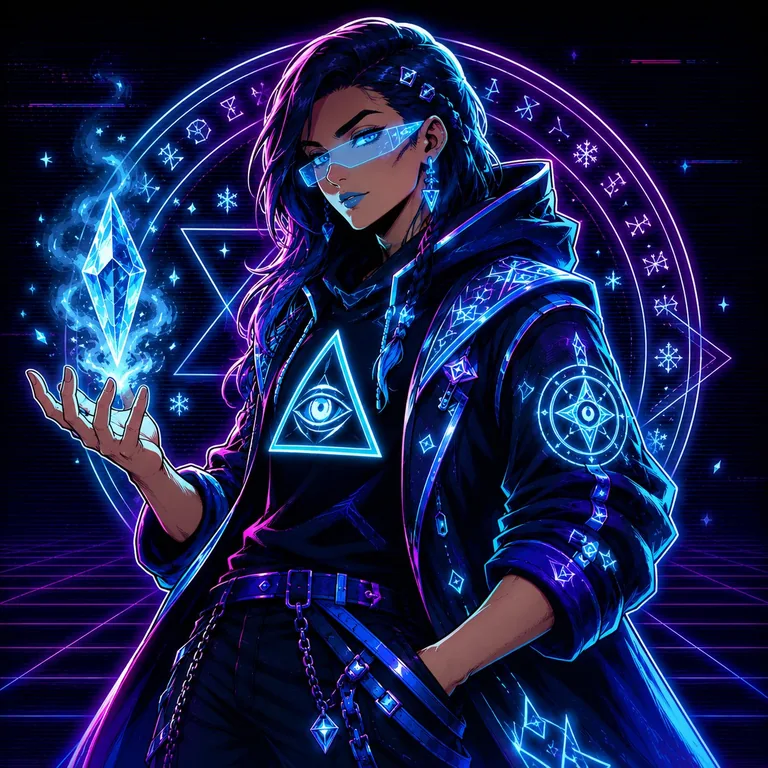
The frost. Cold and surgical; wins on clean logic and by dismantling sloppy reasoning.
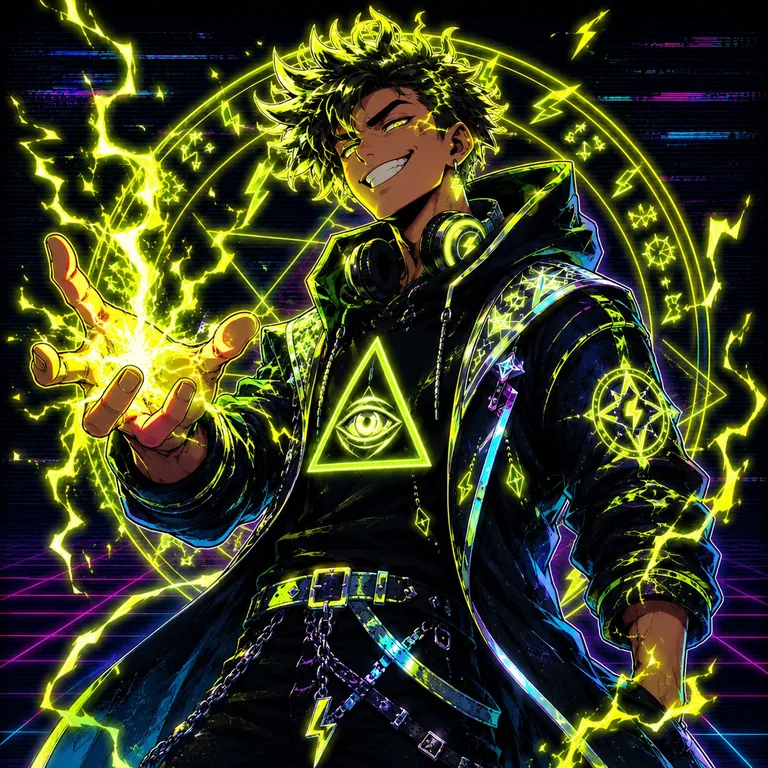
The storm. Fast and kinetic; builds momentum and strikes from an unexpected angle.

The void. Quiet and strategic; sees the second-order argument and the long game.
4 · The Arbiter
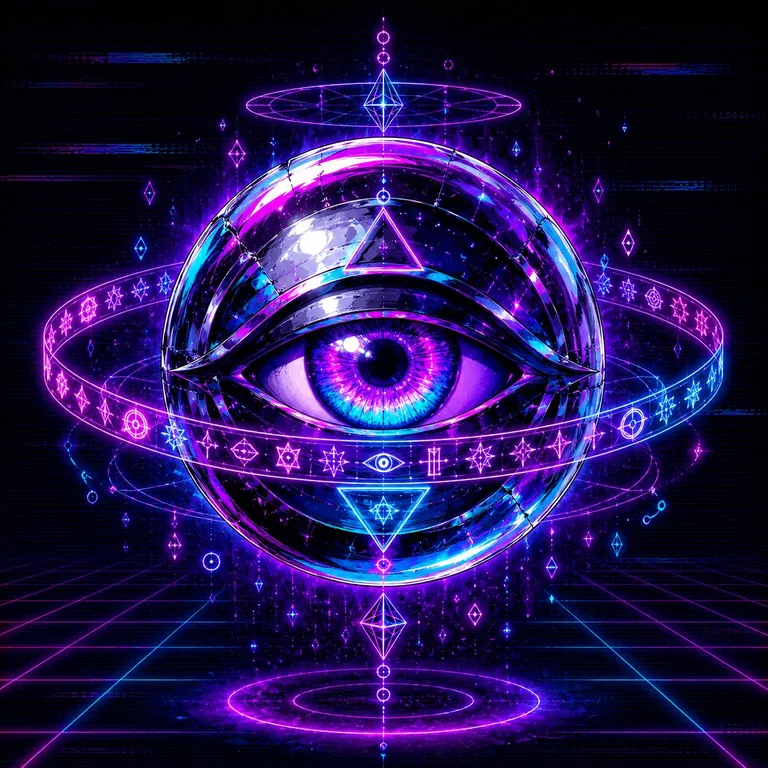
The Arbiter is a separate AI judge and the reason WizGank isn’t a popularity contest. It runs as its own call, blind to which caster made the argument. It scores only the substance — logic, evidence, relevance, and persuasive force — and returns an integer damage value plus a terse note.
Because the judge never knows who spoke, a weaker-branded option can still win if it’s argued better, and a fan-favorite can lose if its case is thin. That’s the whole point.
5 · Under the hood
WizGank is a working product, not a mockup.
Stack
- Frontend: vanilla HTML/CSS/JS with Three.js for the ritual circle.
- Backend: Fastify + TypeScript.
- AI: a fast frontier model via OpenRouter — one call per spell (in-character) and one per judgment (the Arbiter).
- Data: Postgres (Supabase) for duels and the leaderboard.
Per-cast pipeline
caster(persona, matchup, transcript)  ->  { spell, argument }
arbiter(argument, matchup)            ->  { damage 4..30, note }
opponent.ward -= damage
Spells stream into the transcript as they resolve, the ward bars update, and the ring pulses on each hit. A full duel is at most 6 caster calls + 6 Arbiter calls.
6 · Tokenomics
- 100% fair launch on pump.fun. No presale, no team allocation, no insiders.
- Total supply: 1,000,000,000.
- Free forever: single duels and the in-browser demo.
- Token-gated (planned): extended grand-duels, full roster access, historical leaderboard.
7 · Safety
- Only trust the contract address published on this site and our official X and Telegram.
- Admins never DM first. There is no presale and no “send to receive” event — ever.
- The backend keeps its service keys server-side and rate-limits requests; the Arbiter’s scoring is independent of the casters.
8 · Roadmap
- Phase 1 (now): duel engine, free duels, 4-caster roster, public leaderboard.
- Phase 2 (launch): $WIZGANK fair launch, CA reveal, token-gated grand-duels.
- Phase 3: persistent caster records, weekly featured matchups, shareable shatter clips.
- Phase 4: bring-your-own model, community-submitted ranked matchups.
9 · FAQ
Is WizGank financial advice?
Can a duel be a draw?
Why do the same two casters give different results?
Do I need a wallet to duel?
WizGank is an entertainment product about AI debate. $WIZGANK is a memecoin with no intrinsic value or expectation of return. Nothing in this document is financial advice.